
JS-M3000 SERIES · PARKING ROBOT
Lifts the whole car by its tyres. 105 mm tall.
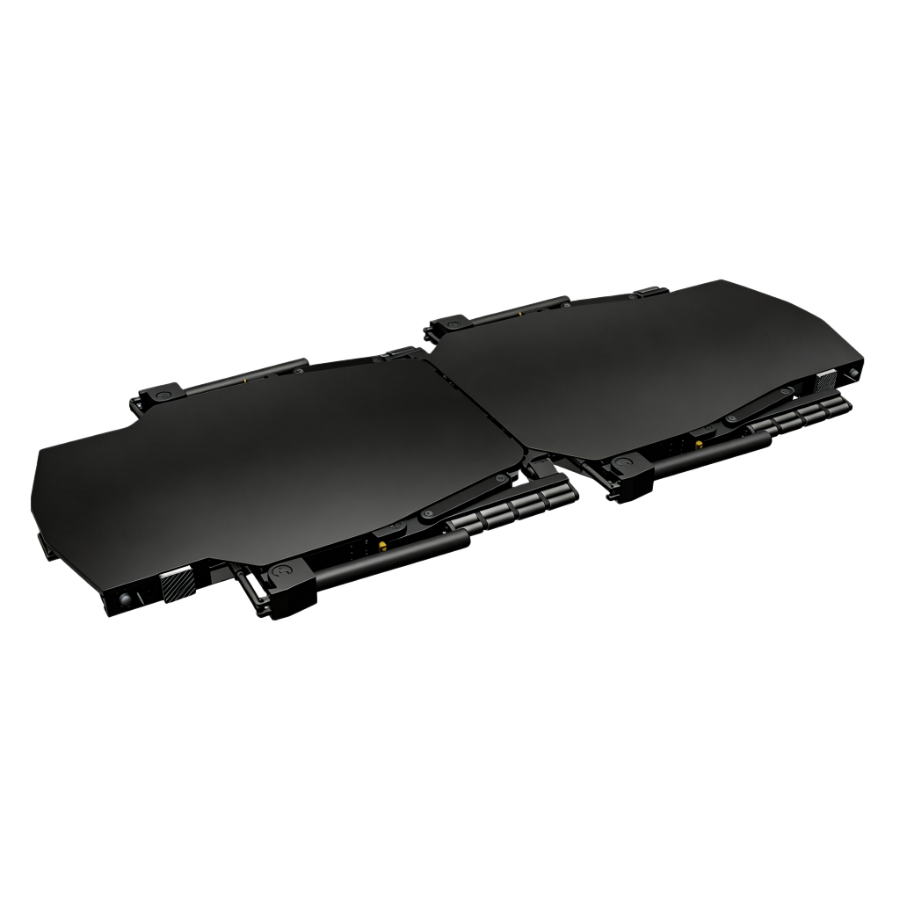
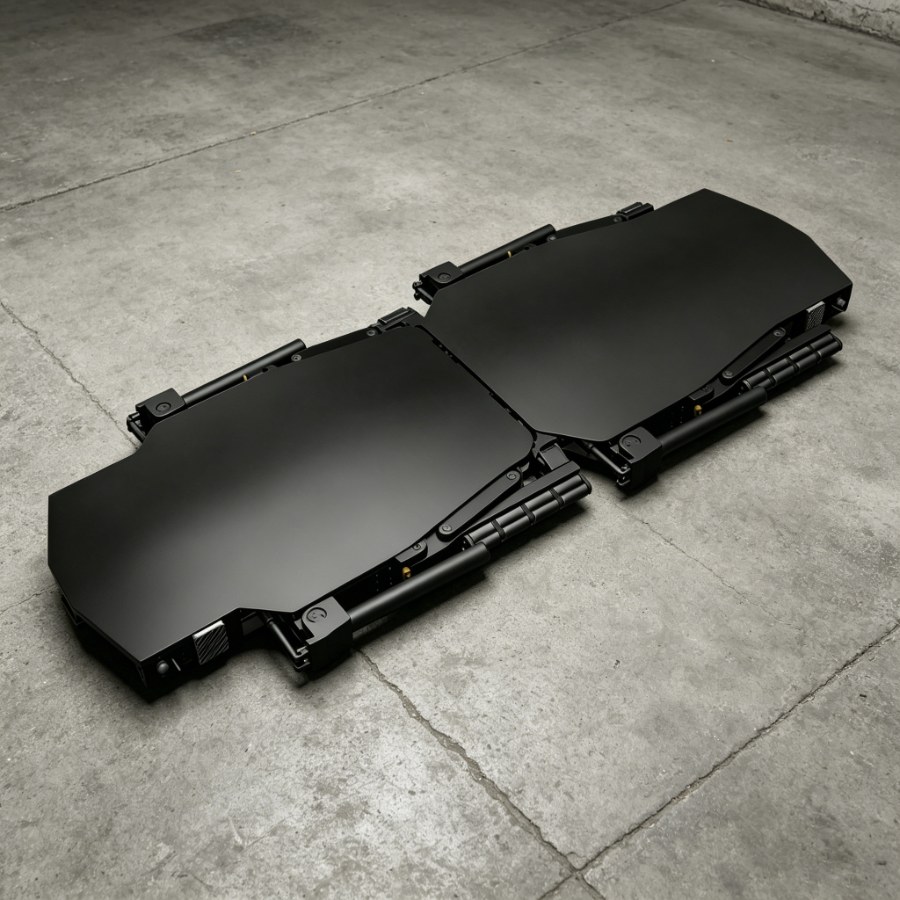
A laser-SLAM parking robot 2,642 × 1,150 × 105 mm and 600 kg that slides under a car, clamps the four tyres and carries up to three tonnes across the car park on its own. Automatic, manual and remote modes switch with one key.
POSITIONING
A parking robot designed for unmanned car parks, not a converted warehouse AGV
Many parking robots on the market are converted warehouse AGVs. JS-M3000 was designed from day one for 7×24 unmanned car-park duty, and has been running in real projects. Navigation, scheduling and the management system are all developed in-house.
WHERE IT RUNS
{{ u.name }}
{{ u.desc }}
SPECIFICATIONS
Full specification, JS-M3000-A
{{ g.title }}
TWO VARIANTS
Intelligent or remote-controlled — how to choose
{{ v.name }}
{{ v.desc }}
HOW IT WORKS
One storage cycle, five steps — retrieval runs in reverse
{{ s.name }}
{{ s.desc }}
STRUCTURE
Five things the structure gets right
{{ a.name }}
{{ a.desc }}
COMPATIBILITY
Five conditions — meet all five and the car can be moved
Outside the range: heavily lowered or modified cars and some sports cars, motorhomes and vans above 3 t, and stretched vehicles with a wheelbase over 3.4 m. Measure in the handover bay before committing.
SAFETY
Do not collide. Survive a collision. Never lose control.
{{ s.name }}
{{ s.desc }}
System-level backstop: a three-stage safety confirmation before the door closes (area cleared, work zone physically isolated, confirmed start), and no more than 1.8 s between door closing and the robot starting.
SITE REQUIREMENTS
Floor, clearance and network — check these before quoting
CHARGING & NETWORK
Runs around the clock without anyone swapping batteries
MAINTENANCE & SPARES
A daily, weekly and monthly checklist
{{ m.k }}
{{ m.v }}
Design life is 8–10 years. Drive wheels, clamp-arm rollers and batteries are consumables; the clamp arms and load-bearing structure need an annual weld inspection.
ALARMS & RESPONSE
What the machine is telling you, and what to do
Before any maintenance inside the robot's operating area: switch to manual mode, press the emergency stop, and confirm the scheduling system has stopped issuing tasks to that robot.
FAQ
Questions we are asked most
{{ f.q }}
{{ f.a }}
NEXT STEP
Send the site conditions, get a model selection and a layout
Ground flatness, aisle width, handover bay position, charging station location and network coverage — these five decide whether the project runs. Our engineers join the survey.
Thank you. Our engineers will read the site conditions you sent and reply within one business day.
Urgent? Call +86 15961285103 directly.
Your mail app has opened with the enquiry filled in — press Send to deliver it to gggtakqqq@foxmail.com.